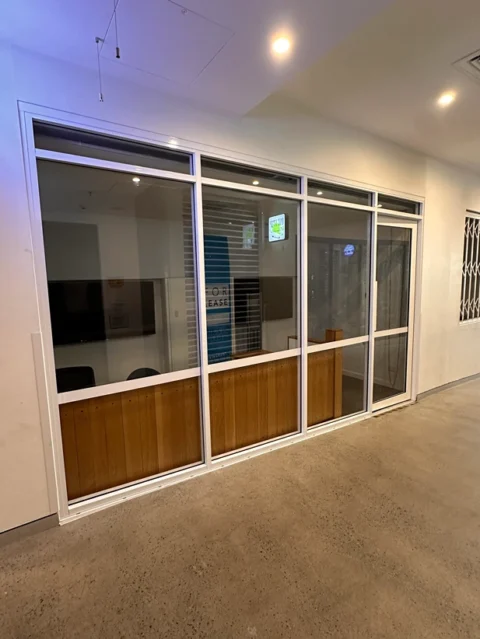
Commercial glazing refers to the installation, repair, replacement, and long-term management of glass systems within buildings used for business, industrial, or public purposes. Unlike residential glazing, commercial glazing must account for higher usage levels, public safety obligations, structural performance, and strict compliance standards. From large shopfront panels and internal office partitions to balustrades and façade systems, commercial glazing forms both a structural and functional part of modern buildings.
Businesses that work with a team specialising in commercial glazing in Brisbane understand that it is not simply about fitting glass into frames. It involves precise specification, regulatory knowledge, coordination with other trades, and careful planning to ensure long-term durability. This guide explores what commercial glazing includes, how it differs from residential glazing, where it is used, and why professional expertise matters.
Understanding the Scope of Commercial Glazing
Commercial glazing covers a broad range of applications across retail, office, hospitality, healthcare, education, and industrial environments. These glass systems are designed to withstand frequent use, environmental exposure, and regulatory scrutiny.
Commercial glazing may include:
- Shopfront and display glass
- Curtain walls and external façades
- Internal office partitions
- Entry doors and automated sliding doors
- Balustrades and stairwell glazing
- Skylights and atriums
- Fire-rated glass systems
- Security glazing solutions
Each installation must be assessed individually. Factors such as building height, public access, wind loads, acoustic requirements, thermal performance, and safety classification all influence specification.
The Core Purpose of Commercial Glazing
Commercial glazing serves multiple purposes simultaneously. It must support design, function, safety, and performance.
Structural Performance
In many commercial buildings, glass is part of the external envelope. It must withstand wind loads, temperature variation, and structural movement. Larger panels and open façades require precise engineering to ensure safety and stability.
Safety Compliance
Commercial spaces are accessed by employees, customers, and the public. Glass installed in these areas must meet Australian Standards relating to impact resistance, fall protection, and fire performance.
Operational Functionality
Doors, partitions, and windows in commercial settings are opened and closed frequently. Hardware, fixings, and framing must support constant use without premature wear.
Brand and Presentation
Retail shopfronts and corporate offices rely on glass for visibility and presentation. Commercial glazing contributes directly to first impressions and brand identity.
How Commercial Glazing Differs From Residential Glazing
While both involve glass, the differences are significant.
Regulatory Requirements
Commercial glazing must comply with stricter regulations under the National Construction Code. Public-facing areas require safety glass, and some areas demand fire-rated systems. Residential glazing is regulated but generally faces fewer layers of compliance.
Scale and Panel Size
Commercial glazing often uses much larger panels than residential projects. Shopfront glass can span entire façades, requiring thicker glass and reinforced framing.
Traffic and Usage
A residential sliding door may be opened a few times daily. A commercial entry door may be used hundreds of times in a single day. The design must reflect that difference.
Risk Exposure
Commercial buildings carry greater liability risk. Incorrectly specified glass can lead to injury, insurance claims, and compliance breaches.
Types of Glass Used in Commercial Glazing
Different glass types are used depending on application.
Toughened Safety Glass
Heat-treated for strength and safe breakage. Commonly used in doors, partitions, and balustrades.
Laminated Glass
Includes an interlayer that holds fragments together if broken. Often used in shopfronts and high-risk areas.
Double Glazing
Two panes separated by a spacer for improved thermal and acoustic performance.
Fire-Rated Glass
Designed to resist fire and smoke for a defined period. Used in stairwells and fire separation zones.
Acoustic Glass
Specified where noise reduction is important, such as offices or buildings near busy roads.
Each type must be chosen according to performance requirements rather than appearance alone.
Where Commercial Glazing Is Commonly Installed
Commercial glazing appears across almost every industry.
Retail and Shopfronts
Large glass panels maximise product visibility and natural light. These must balance clarity, strength, and safety.
Office Buildings
Internal partitions define spaces without blocking light. Glazing supports modern, open-plan design.
Industrial Facilities
Factories and warehouses incorporate internal office glazing and secure entry systems.
Hospitality Venues
Hotels and restaurants rely on glass for aesthetics, acoustic separation, and outdoor visibility.
Healthcare and Education
Glazing must meet both safety and hygiene considerations, particularly in high-occupancy environments.
Commercial Glazing Systems and Integrated Services
Commercial glazing projects often require specialised systems rather than standalone glass panels.
These include:
- commercial glass for shopfronts and façade panels where visibility and structural strength are essential
- commercial windows and doors built for durability, compliance, and frequent operation
- aluminium windows and doors selected for strength and minimal maintenance
- glazed office partitions that enhance light flow while supporting acoustic control
- glass and aluminium balustrading installed to provide compliant fall protection
- security screens integrated to protect vulnerable access points
Commercial glazing rarely operates in isolation. It must integrate seamlessly with framing, access systems, and safety requirements.
The Importance of Correct Specification
Incorrect specification is one of the most common causes of failure in commercial glazing.
Potential issues include:
- Under-specifying glass thickness
- Ignoring wind load requirements
- Using residential systems in commercial settings
- Failing to meet fire-rating obligations
- Overlooking long-term maintenance needs
Early planning prevents costly rectification and compliance issues later.
The Commercial Glazing Process
Professional commercial glazing projects typically follow a structured process:
- Site inspection and assessment
- Review of building use and compliance requirements
- Glass and framing specification
- Coordination with builders and trades
- Fabrication and supply
- Installation and finishing
- Ongoing maintenance planning
Each stage requires technical understanding and careful execution.
Maintenance and Lifecycle Considerations
Commercial glazing is not a one-off installation. Long-term maintenance is essential.
Regular inspections help identify:
- Seal deterioration
- Frame movement
- Surface scratching
- Hardware wear
- Compliance risks
Proactive maintenance extends the lifespan of glazing systems and reduces unexpected costs.
What Sets Surefit Glass Apart in Commercial Glazing
Not all providers approach commercial glazing with the same level of expertise. Some treat it as an extension of residential installation, which can create durability and compliance issues.
Surefit Glass takes a performance-led approach. Each project is assessed based on building function, public access, and regulatory requirements. Glass systems are specified for real-world use, not just visual impact.
Experience across retail, office, and industrial environments allows the team to coordinate effectively with builders, architects, and property managers. Clear communication and careful planning help minimise disruption during works.
Consistency is another key differentiator. Businesses managing multiple properties rely on the same level of quality and reliability across every project. This long-term partnership approach separates Surefit Glass from competitors who focus only on installation rather than the full lifecycle of commercial glazing.
Common Questions About Commercial Glazing
What makes glazing “commercial”?
Commercial glazing refers to glass systems installed in buildings used for business, public, or industrial purposes, where higher compliance standards apply.
Is commercial glazing more expensive?
Commercial glazing can involve higher material and installation costs due to stronger glass, larger panels, and regulatory requirements.
Does every commercial building require safety glass?
Most public-facing areas require safety glass depending on risk level and location.
Can commercial glazing improve energy efficiency?
Yes. Double glazing and specialised coatings can reduce heat transfer and improve energy performance.
How long does commercial glazing last?
With proper specification and maintenance, commercial glazing systems can perform reliably for many years.
Choosing the Right Commercial Glazing Solution
Commercial glazing is a critical part of building safety, performance, and presentation. Correct specification protects occupants, supports compliance, and ensures long-term durability.
If you are planning a new commercial development, refurbishment, or glazing upgrade and want expert guidance tailored to your building, contact Surefit Glass to discuss your commercial glazing requirements and receive clear, practical advice suited to your operational needs.