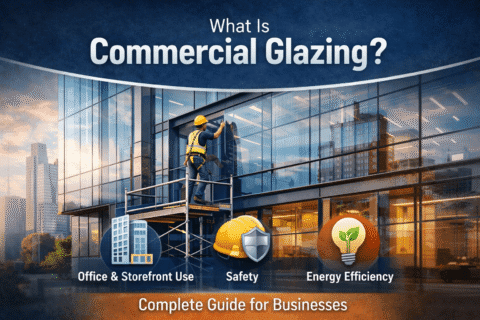
Commercial glass jobs aren’t just about getting panels in place. They’re about making sure every part of the process runs smoothly, from start to finish.
Whether it’s a storefront, a multi-storey fitout, or anything in between, these projects rely on sharp planning, solid materials, and precise execution.
Here’s how the full process typically works, step by step, with a focus on what really matters on-site and behind the scenes.
The Backbone of Every Commercial Glass Project: A Clear Scope
It all starts with understanding what the project actually needs. Before any glass is cut or installed, there’s a deep dive into the plans, the site, and the goals.
What’s the space used for? What type of performance does the glass need to deliver? Are there structural or compliance requirements? These are the kinds of questions that get asked right out of the gate.
Having a clear, detailed scope avoids problems down the track and keeps everyone on the same page from day one.
Design and Engineering That’s Built to Work
Once the brief is sorted, the design phase kicks in. But this isn’t just about drawings that look good. It’s about making sure the whole system works safely, efficiently, and to spec.
This stage includes:
- Figuring out wind loads and support requirements
- Choosing the right type of glass for visibility, glare, or privacy
- Picking frames, hardware, and fixings that suit the building
- Making sure everything lines up with Australian Standards
Smart design now saves time, money, and hassle later.
Fabrication: No Shortcuts, No Surprises
After sign-off, the glass and frames head into fabrication. This part is all about accuracy. Panels are cut, polished, tempered, or laminated depending on what’s needed. Frames are made to fit perfectly.
Key steps include:
- Precision cutting and edge finishing
- Thermal or safety treatments like toughening or lamination
- Pre-checking every component before it hits the site
Surefit Glass works closely with fabricators that meet top-tier quality control benchmarks. Tight tolerances and strong materials matter more than ever on commercial installs.
Getting the Site Ready and Running on Time
Commercial glass projects can get messy fast if logistics aren’t nailed down. That’s why proper planning around access, handling, and scheduling is critical.
On-site coordination usually covers:
- Access checks for cranes and lifting gear
- Safe handling and storage of large panels
- Installing in the right order so other trades aren’t held up
- Keeping the whole job ticking along without downtime
Getting this part right is what keeps commercial jobs on schedule.
Installation Done Right the First Time
Once everything is on site and ready to go, the install team takes over. This is where precision meets muscle. The team sets up the frames, installs the glass, seals everything tight, and makes sure it all looks clean and sharp.
The process includes:
- Aligning and fixing the frame systems
- Installing each glass panel with care and accuracy
- Weather-sealing to keep out leaks and drafts
- Final inspections to make sure everything is solid and compliant
Done right, it looks great and stays that way.
What Impacts the Cost of Commercial Glass?
Commercial glass projects aren’t one-size-fits-all, and neither is the pricing. Costs depend on a range of factors, including:
- Glass type such as laminated, low-E, or IGU
- Size and thickness of panels
- Framing materials and finishes
- Site access, especially for upper levels or tight spots
- Labour and equipment needed for install
The best way to keep costs on track is to know what you need upfront and make key decisions early.
Thinking About Sustainability and Energy Efficiency
Glass plays a huge role in how a building performs. Good choices can improve energy ratings, reduce glare and heat, and even cut running costs.
For energy-smart projects, consider:
- Low-E coatings to reduce heat gain
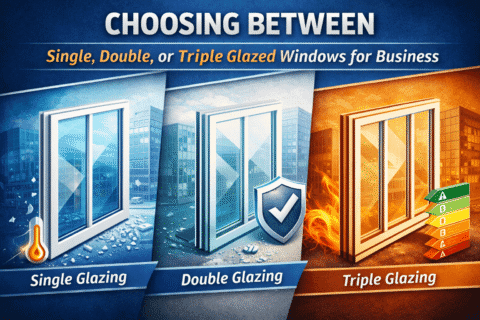
- Double or triple glazing for insulation
- Solar control glass for sunny exposures
- Meeting NABERS or Green Star standards
Surefit Glass often works with architects and builders to select systems that hit sustainability targets without compromising on looks or function.
Pitfalls to Avoid on Commercial Jobs
Every site is different, but the common mistakes are pretty similar. Here are a few things that can throw a job off:
- Vague or incomplete specs
- Underestimating lead times for custom glass
- Poor access planning, especially for large panes
- Lack of communication between trades
- Skipping compliance checks until it’s too late
Sorting these early saves major headaches later.
Compliance: Not Just a Box to Tick
Every commercial glass job in Australia has to meet key standards, and skipping them can mean serious issues. These include:
- AS1288 – Glass in buildings: selection and installation
- AS2208 – Safety glazing materials
- AS2047 – Windows and external glazing for buildings
Meeting these isn’t optional. It’s essential. That’s why compliance checks are baked into every stage, from design to final sign-off.
Sure Fit Glass follows these standards to the letter, working with certified products and proven installation methods. From the first drawing to the final inspection, the focus is always on safety, durability, and doing it right the first time.
Why Solid Project Management Matters
Managing a Commercial Glass job properly isn’t about paperwork. It’s about keeping things smooth, safe, and on time. When design, fabrication, logistics, and install all run in sync, the result is cleaner work, fewer delays, and better outcomes all around.
Whether you’re fitting out a small shop or a multi-level development, the process is the same. Plan it properly. Build it precisely. Install it with care.
That’s what turns glass into something that lasts.