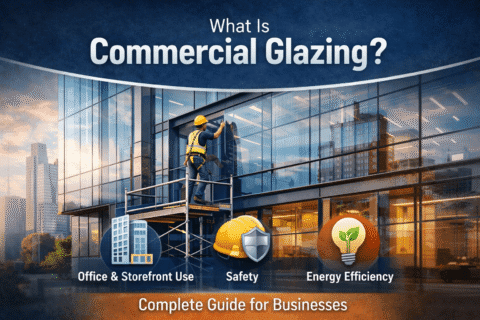
Glass plays an important role in both homes and businesses, but the requirements for each are very different. While residential glazing focuses on comfort, appearance, and everyday living, commercial glazing must account for safety, durability, compliance, and high-traffic use. Understanding these differences helps property owners, builders, and business operators choose the right solutions and avoid costly mistakes.
Working with experienced Brisbane glazing specialists ensures glass is specified correctly for its environment, whether that is a private residence or a busy commercial site. This guide explains how commercial and residential glazing differ, why those differences matter, and how to select the right approach for each setting.
Why Glazing Requirements Differ Between Homes and Businesses
At first glance, glass may look similar across residential and commercial properties, but the demands placed on it are not the same. Commercial buildings typically experience higher foot traffic, greater exposure to the public, and stricter safety obligations than homes.
Key factors that influence glazing requirements include:
- Building use and occupancy levels, which affect safety and durability needs
- Exposure to the public, increasing impact and compliance risks
- Structural and regulatory requirements under Australian Standards
- Frequency of use and wear, especially for doors and entry points
- Long-term performance expectations in operational environments
These factors shape everything from glass thickness to framing systems and installation methods.
What Is Residential Glazing?
Residential glazing refers to glass installations in private homes such as houses, apartments, and townhouses. The focus is usually on comfort, insulation, and visual appeal.
Common Residential Glazing Applications
Residential glazing is commonly used for:
- Windows and sliding doors
- Shower screens and mirrors
- Balustrades and pool fencing
- Internal partitions and splashbacks
In homes, glazing decisions are often driven by lifestyle needs rather than heavy-duty performance.
Key Characteristics of Residential Glazing
Residential glass is generally designed to:
- Improve natural light and thermal comfort
- Support energy efficiency
- Enhance interior and exterior aesthetics
- Meet basic safety requirements
While safety standards still apply, residential glazing is not usually exposed to the same level of impact or regulatory oversight as commercial installations.
What Is Commercial Glazing?
Commercial glazing covers glass installations in buildings used for business or public purposes. This includes offices, retail spaces, hospitality venues, medical facilities, and industrial sites.
Common Commercial Glazing Applications
Commercial glazing is commonly found in:
- Shopfronts and display windows
- Office partitions and meeting rooms
- Entry doors and building façades
- Balustrades and stairwells
- Industrial offices and operational spaces
These environments demand glass systems that can withstand frequent use and public access.
Key Characteristics of Commercial Glazing
Commercial glazing is typically specified to:
- Meet strict safety and compliance requirements
- Handle high traffic and repeated use
- Provide long-term durability
- Support security and access control
- Integrate with larger building systems
As a result, commercial glazing solutions are often more robust and carefully engineered than residential ones.
Key Differences Between Commercial and Residential Glazing
Safety and Compliance
Commercial glazing must meet more stringent requirements under Australian Standards and the National Construction Code, particularly in public-facing and high-risk areas.
Commercial projects often require:
- Toughened or laminated safety glass
- Fire-rated glass in defined locations
- Specific fixing methods and glass thicknesses
Residential glazing generally faces fewer compliance layers.
Glass Strength and Thickness
Commercial glass is often thicker due to larger panel sizes, wind loads, and impact risk. Residential glass panels are typically smaller and lighter.
Framing Systems
Commercial glazing systems often use heavy-duty aluminium framing to support larger panels and ongoing use. Residential frames are usually lighter and more design-focused.
Usage and Wear
Commercial glass must withstand constant opening, closing, and cleaning. Residential glazing experiences far less daily wear.
Where Commercial Glazing Requires Specialist Systems
Because of the added demands, commercial glazing often involves systems that are rarely required in residential settings.
These include:
- commercial glass for shopfronts and large display panels where strength and visibility must work together
- commercial windows and doors designed for frequent use, accessibility, and compliance
- aluminium windows and doors selected for durability and low maintenance in business environments
- glazed office partitions that balance light flow, privacy, and acoustic performance
- glass and aluminium balustrading used where fall protection is mandatory
- security screens integrated into glazing systems to protect vulnerable access points
These systems highlight why commercial glazing requires a more specialised approach.
What Sets Surefit Glass Apart From Other Glazing Providers
Not all glazing companies approach projects the same way. While some providers focus purely on installation, Surefit Glass takes a broader view that considers how glass will be used, maintained, and regulated over time.
A key differentiator is experience across both residential and commercial environments. This allows glazing solutions to be specified based on real-world use rather than applying residential methods to commercial spaces or over-specifying where it is not required.
Surefit Glass also operates with a compliance-led mindset. Glass is selected and installed correctly from the outset, reducing the risk of non-compliance, rework, or premature failure. This is especially important in public-facing and high-traffic environments.
Reliability and coordination further set Surefit Glass apart. Projects are planned with active sites in mind, ensuring clear communication, realistic scheduling, and minimal disruption to occupants, tenants, or customers. For builders, property managers, and businesses managing multiple sites, this consistency is a major reason they continue working with the same glazing team rather than changing providers.
Residential vs Commercial Design Priorities
Residential Design Priorities
Residential projects typically focus on:
- Comfort and liveability
- Energy efficiency
- Visual appeal
- Integration with interior design
Commercial Design Priorities
Commercial projects prioritise:
- Functionality and safety
- Compliance and durability
- Brand presentation
- Ease of maintenance
Understanding these priorities helps ensure the glazing solution matches the environment.
Installation and Project Management Differences
Commercial glazing installations are typically more complex. They often involve coordination with builders, architects, and other trades, as well as staged works to minimise disruption.
Residential installations are usually quicker and less complex, with fewer stakeholders and simpler site conditions.
This difference highlights the importance of working with a glazing team experienced in the specific environment.
Why Using the Wrong Glazing Approach Causes Problems
Applying residential glazing methods to commercial projects can lead to:
- Non-compliance with building codes
- Increased safety risks
- Premature wear or failure
- Costly replacements or rectification
Likewise, over-specifying commercial systems for residential projects can unnecessarily increase costs.
Correctly identifying the environment ensures the glazing solution is fit for purpose.
FAQs About Commercial and Residential Glazing
Can residential glass be used in commercial buildings?
In limited situations, but most commercial applications require higher safety and compliance standards.
Is commercial glazing more expensive than residential glazing?
Commercial glazing often costs more due to thicker glass, stronger frames, and regulatory requirements, but it delivers greater durability.
Do commercial buildings always require safety glass?
Most public-facing and high-risk areas require safety glass depending on location and usage.
Can glazing be customised for both residential and commercial projects?
Yes, but specifications differ significantly based on environment and regulations.
How do I know which glazing solution is right for my project?
A professional assessment ensures glass meets safety, performance, and compliance needs.
Choosing the Right Glazing for Your Property
Understanding the difference between commercial and residential glazing helps ensure glass is safe, compliant, and fit for purpose. Selecting the right approach protects occupants, supports long-term performance, and avoids unnecessary costs.
If you are planning a new build, renovation, or glazing upgrade and want clear, practical guidance, speak with a Brisbane glazing team experienced in both commercial and residential projects and receive advice tailored to your property and intended use.